
Tooth extraction is a common dental procedure performed to address severe decay, infection, crowding, or impacted teeth. While it is generally safe and effective, it is still a surgical procedure that carries certain risks. Understanding these risks and following recommended safety tips can help ensure a smooth recovery and minimize potential complications. For those considering riverpark tooth extraction, being informed about what to expect can provide confidence and peace of mind.
Understanding Tooth Extraction
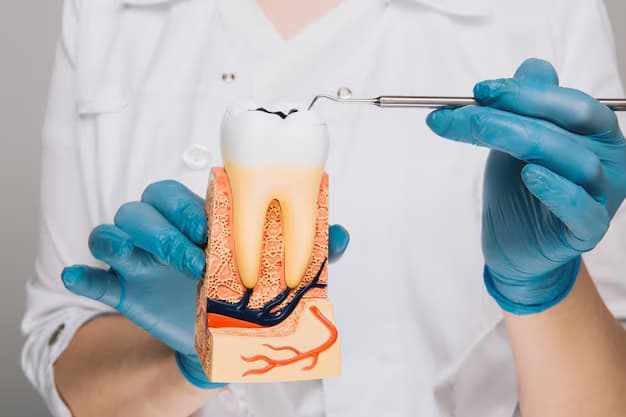
Tooth extraction involves the removal of a tooth from its socket in the jawbone. Extractions can be classified into two types: simple and surgical. Simple extractions are performed on teeth that are visible and easily accessible, while surgical extractions are necessary for teeth that are broken, impacted, or not fully erupted. The procedure is typically performed under local anesthesia, and sometimes sedation may be used for patient comfort.
Common Risks Associated with Tooth Extraction
While most extractions are successful, it is important to be aware of potential risks.
Infection
Infections can occur if bacteria enter the extraction site. Symptoms may include swelling, fever, pus, and persistent pain. Following post operative care instructions and maintaining good oral hygiene are key to preventing infection.
Dry Socket
Dry socket is a condition that sometimes develops when the blood clot at the extraction site is dislodged or fails to form properly. This can expose the bone and nerves, leading to severe pain. Patients are advised to avoid actions that can disturb the clot, such as smoking, drinking through straws, or vigorous rinsing.
Excessive Bleeding
Minor bleeding is normal immediately after extraction. However, excessive or prolonged bleeding can indicate a complication. Applying gentle pressure with gauze and following dentist instructions typically controls bleeding. Patients should seek immediate care if bleeding does not subside.
Nerve Injury
Certain extractions, especially those involving lower molars, may carry a small risk of temporary or permanent nerve injury. This can cause numbness, tingling, or altered sensation in the lips, tongue, or chin. Discussing this risk with the dental professional before surgery helps manage expectations.
Swelling and Bruising
Swelling and bruising are common after extraction and usually subside within a few days. Cold compresses and proper rest can help manage these effects.
Safety Tips Before Tooth Extraction
Comprehensive Dental Examination
A thorough dental examination, including X rays, helps the dentist assess the tooth’s position and surrounding structures. This step ensures the procedure is planned accurately and reduces the risk of complications.
Medical History Disclosure
Patients should provide complete information about their medical history, including medications, allergies, and underlying health conditions. Certain medications and conditions may require adjustments to the procedure or anesthesia.
Preoperative Instructions
Dentists may provide specific instructions before extraction, such as fasting requirements for sedation, oral rinses, or adjustments to medications. Following these instructions carefully ensures a safer procedure.
Safety Tips During Tooth Extraction
Anesthesia and Sedation
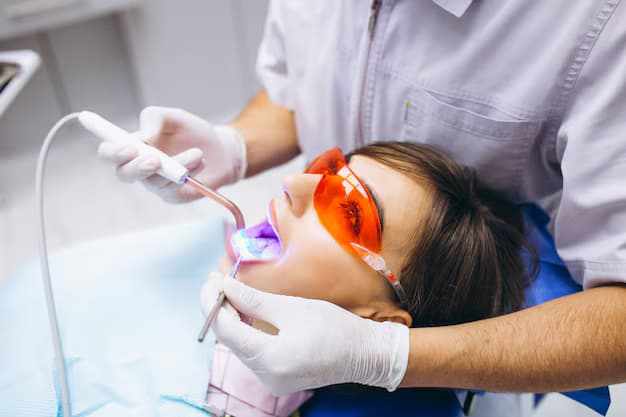
Proper administration of local anesthesia or sedation ensures comfort and reduces anxiety. Patients should communicate any concerns about pain or sedation with the dental team to ensure a smooth experience.
Professional Surgical Technique
Tooth extraction should be performed by a qualified dental professional using sterile instruments and precise techniques. This reduces trauma to surrounding tissues and minimizes complications.
Monitoring During Procedure
During the extraction, the dentist monitors the patient’s vital signs and ensures that bleeding and discomfort are controlled. Professional oversight is key to addressing any unexpected issues promptly.
Post Extraction Safety Tips
Rest and Recovery
After extraction, patients should rest and avoid strenuous activities for at least 24 to 48 hours. Physical exertion can increase bleeding or swelling and hinder the healing process.
Proper Oral Hygiene
Maintaining oral hygiene is important but should be done carefully. Brushing should avoid the extraction site for the first day, and gentle rinsing with warm salt water can help keep the area clean.
Managing Pain and Swelling
Pain medications, as prescribed, help manage discomfort. Cold compresses applied intermittently can reduce swelling. Following the dentist’s guidance on medication and care ensures optimal recovery.
Diet Considerations
Soft foods and cool liquids are recommended in the initial recovery period. Avoiding hard, crunchy, or hot foods prevents irritation or injury to the extraction site.
Avoiding Tobacco and Alcohol
Smoking and alcohol consumption can impede healing and increase the risk of infection or dry socket. Patients are advised to refrain from these activities until fully healed.
Monitoring for Complications
Patients should be vigilant for signs of infection, prolonged bleeding, or unusual pain. Promptly contacting the dental professional can prevent minor issues from becoming serious complications.
Long Term Care After Tooth Extraction
Follow Up Appointments
Attending follow up visits allows the dentist to monitor healing and address any concerns. Stitches, if used, may need removal, and overall recovery progress is assessed.
Maintaining Healthy Oral Habits
Brushing, flossing, and regular dental checkups help prevent future dental issues. A balanced diet rich in nutrients supports tissue repair and strengthens oral health.
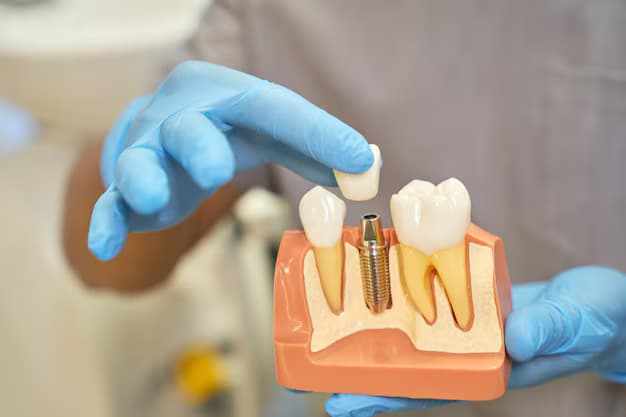
Considering Replacement Options
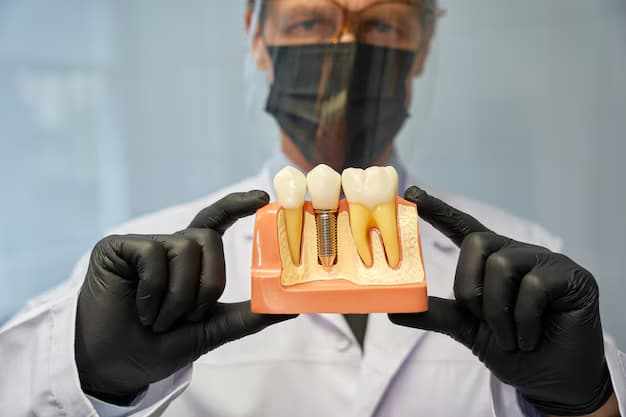
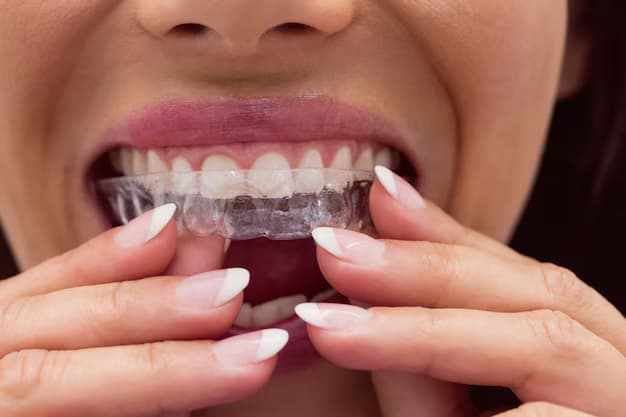
Depending on the extracted tooth’s location, replacement options such as dental implants, bridges, or partial dentures may be discussed to maintain proper bite and oral function.
Conclusion
Tooth extraction is a routine yet significant dental procedure that requires careful planning and post operative care. Awareness of potential risks combined with adherence to safety tips before, during, and after the procedure can ensure a smooth recovery and long term oral health. Individuals seeking riverpark tooth extraction can benefit from professional guidance and support to minimize complications and promote healing. For comprehensive care and expert advice regarding tooth extraction, you may contact Clove Dental Riverpark.












Write a comment ...