
Fluoride treatment is one of the simplest yet most effective preventive services offered in modern dentistry. Many individuals seek fluoride treatment riverpark to strengthen their teeth, reduce sensitivity, and protect their smiles from early decay. Understanding what happens during this treatment can help patients feel confident and informed before their appointment. This guide explains the process step by step while highlighting the importance of fluoride for long term dental health.
Understanding Fluoride and Its Role in Oral Health
Why Fluoride Matters
Fluoride is a natural mineral that supports enamel strength. Teeth continuously lose minerals due to acids from food and bacteria. Fluoride helps replace these lost minerals and makes enamel more resistant to weakening. Patients who receive fluoride treatments regularly often benefit from better cavity prevention and improved oral comfort.
How Fluoride Treatment Works
Fluoride treatments deliver a concentrated form of the mineral to the tooth surface. These applications provide far more protection than daily toothpaste. The fluoride quickly bonds with enamel, creating a strong shield that helps prevent cavities and supports long lasting tooth strength.
Why Patients Choose Fluoride Treatment in Riverpark
High Risk of Cavities
Many individuals choose fluoride treatment riverpark when they are at increased risk for decay. Factors such as frequent snacking, dry mouth, gum recession, or a history of cavities can make fluoride treatments especially beneficial.
Strengthening Enamel After Dental Procedures
Teeth may become more vulnerable after cleanings, orthodontic adjustments, or restorative procedures. Fluoride helps reinforce enamel and supports the healing process.
Added Protection for Children and Teens
Young patients often receive fluoride because their developing teeth benefit greatly from additional protection. Fluoride helps set the foundation for strong and healthy adult teeth.
What Happens During a Fluoride Treatment Appointment
Initial Evaluation
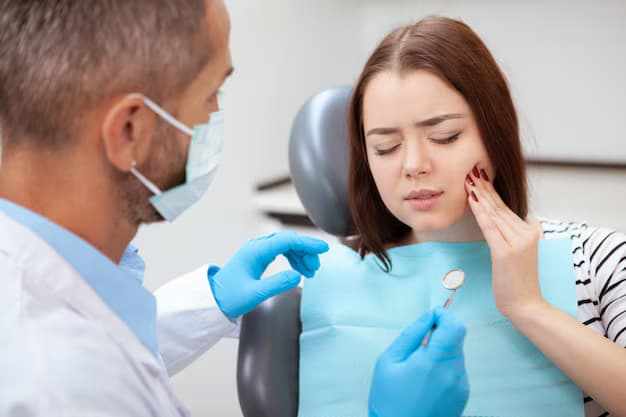
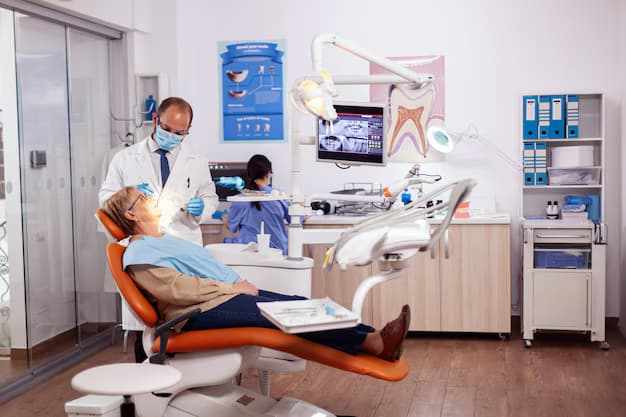
A fluoride appointment typically begins with a brief evaluation. The dentist or hygienist checks the teeth for signs of decay, sensitivity, or enamel wear. This assessment helps determine which fluoride method is best suited for the patient.
Teeth Cleaning Before Application
Although not always required, fluoride works best when applied to clean teeth. This is why fluoride treatments are often done immediately after professional cleanings. A clean surface allows the mineral to bond more effectively.
Choosing the Right Fluoride Form
Fluoride is available in several forms:
Gel
Foam
Varnish
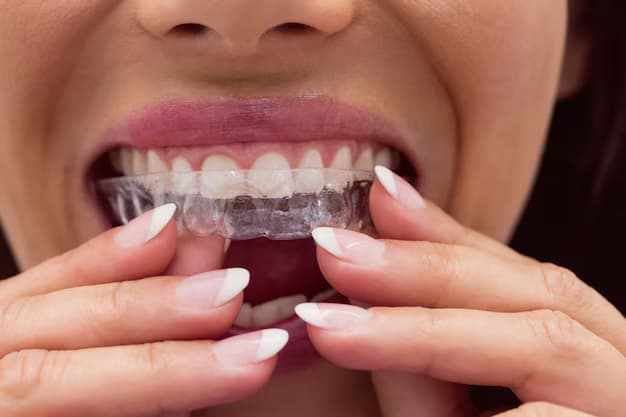
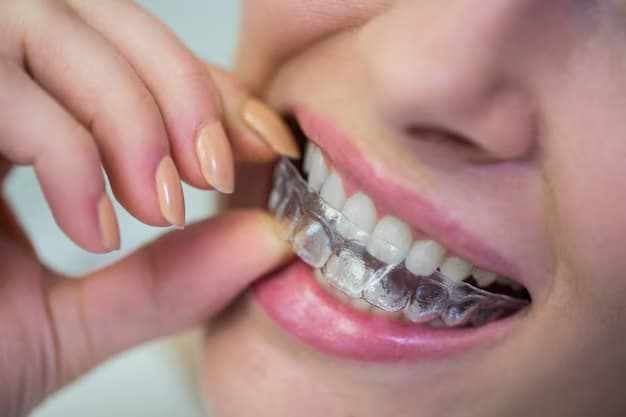
Each option provides unique advantages. Varnish, for example, adheres quickly and stays on teeth for several hours. Gel or foam may be applied using trays that fit comfortably around the teeth.
Application of Fluoride
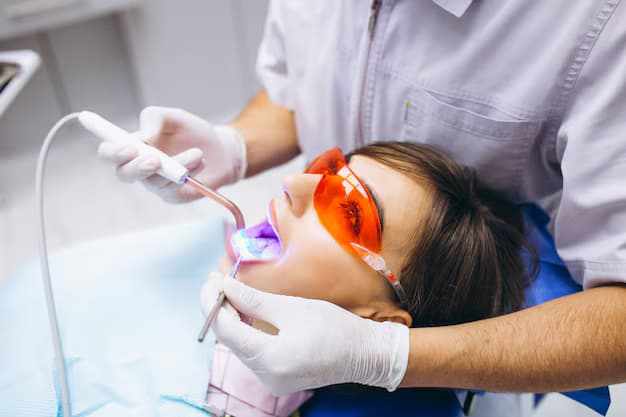
The application is quick and painless. The provider applies fluoride directly to the teeth, coating every surface evenly. Patients may taste a mild flavor depending on the type used. The process usually takes only a few minutes.
Setting Period and Instructions
After application, patients may be asked to avoid rinsing, eating, or drinking for a short time. This waiting period allows fluoride to fully absorb. With varnish, patients can usually resume eating soon, though hard foods might be discouraged for a few hours.
Benefits of Professional Fluoride Treatment
Enhanced Protection Against Cavities
Professional fluoride contains a higher concentration than store based products. This means stronger and longer lasting protection for individuals with cavity prone teeth.
Reduced Tooth Sensitivity
Fluoride can help reduce discomfort caused by enamel thinning and exposed roots. Many patients notice a decrease in sensitivity after consistent treatments.
Support for Overall Dental Health
Regular fluoride appointments support a healthier smile. They help prevent early decay, support enamel strength, and reduce the need for future restorative treatments.
Who Should Consider Fluoride Treatment in Riverpark
Children and Adolescents
Younger patients often benefit most because their teeth are still forming. Fluoride strengthens the developing enamel, helping reduce the risk of future decay.
Adults with High Cavity Risk
Individuals with a history of cavities, dry mouth, frequent sugary consumption, or orthodontic appliances may need fluoride more often.
Seniors with Enamel Wear
Age related enamel thinning and gum recession can increase cavity risk. Fluoride supports older adults by reinforcing weakened tooth surfaces.
How Often Fluoride Treatment Is Recommended
Based on Individual Needs
Most patients receive fluoride treatments every six or twelve months. Those with high risk factors may need more frequent applications. The dentist considers oral health history, diet, age, and enamel condition to determine the ideal schedule.
Part of a Regular Preventive Routine
Fluoride treatments work best when combined with good brushing habits, flossing, and regular dental visits. Patients who maintain consistent care experience the greatest long term benefits.
What Patients Should Do After Treatment
Avoid Eating or Drinking for a Short Time
Patients are generally advised to avoid food and beverages for a brief period so that fluoride can fully coat the teeth. This ensures maximum absorption and protection.
Resume Normal Oral Care Later
Brushing or flossing should be postponed for a few hours after treatment. Once sufficient time has passed, patients can return to their usual routine.
Monitor Sensitivity or Changes
Some individuals may feel a mild texture on the teeth due to varnish. This is normal and temporary. The coating gradually dissolves and continues to strengthen the enamel throughout the day.
Long Term Value of Fluoride Treatment
Consistency Leads to Stronger Teeth
Fluoride treatments show the best results when patients attend them regularly. Over time, the enamel becomes more resilient and better able to resist decay.
Lower Risk of Future Dental Problems
By reinforcing enamel at each appointment, patients greatly reduce the likelihood of cavities and other dental concerns. This preventive approach helps avoid more complex treatments later.
Interactive Care and Dental Education
Fluoride appointments also give patients the chance to discuss brushing habits, food choices, and oral hygiene steps. This guidance supports long term dental wellness.
Conclusion
Fluoride treatment is a simple, comfortable, and highly effective service that plays a major role in preventive dental care. Patients who seek fluoride treatment riverpark often enjoy stronger enamel, fewer cavities, and improved oral comfort. Understanding the process helps individuals feel more prepared and confident before their appointment. For personalized care and professional fluoride treatment, patients can rely on Clove Dental River park.








Write a comment ...