
Root canal treatments are among the most commonly misunderstood dental procedures. For many people, the phrase alone can cause anxiety due to outdated information and common myths. In reality, modern root canal treatments are designed to relieve pain, eliminate infection, and save natural teeth in a safe and predictable way.
This detailed guide explains what root canal treatments involve, why they are needed, how the procedure is performed, and what recovery looks like. By understanding the facts, patients can feel more confident and informed when facing this important dental treatment.
Understanding Root Canal Treatments
Root canal treatments are performed to treat infection or damage within the inner part of a tooth known as the pulp. The pulp contains nerves, blood vessels, and connective tissue that help the tooth develop.
When the pulp becomes infected or inflamed, treatment is necessary to prevent further complications and preserve the tooth.
What Causes Pulp Damage
Pulp damage can occur due to deep tooth decay, repeated dental procedures on the same tooth, cracks, fractures, or trauma. Bacteria can enter the pulp through these openings and cause infection.
Without treatment, the infection can spread beyond the tooth and affect surrounding tissues.
Purpose of Root Canal Treatments
The primary goal of root canal treatments is to remove infected pulp, clean and disinfect the inside of the tooth, and seal it to prevent reinfection.
This process allows the natural tooth to remain in place and continue functioning normally.
Common Myths About Root Canal Treatments
Many fears surrounding root canal treatments come from myths that no longer reflect modern dental care.
Myth Root Canal Treatments Are Painful
One of the most common myths is that root canal treatments are extremely painful. In reality, the procedure is designed to relieve pain caused by infection.
With modern techniques and anesthesia, most patients report comfort similar to receiving a routine filling.
Myth Tooth Extraction Is Better Than Root Canal Treatment
Some believe that removing the tooth is a better option than saving it. However, preserving a natural tooth is almost always preferable.
Root canal treatments help maintain natural chewing ability and prevent shifting of surrounding teeth.
Myth Root Canal Treated Teeth Do Not Last Long
Another misconception is that teeth treated with root canal treatments are weak or temporary. With proper restoration and care, these teeth can last for many years.
The long term success rate of root canal treatments is high when followed by appropriate follow up care.
Signs That Root Canal Treatment May Be Needed
Recognizing symptoms early can help prevent complications.
Persistent Tooth Pain
Ongoing pain that worsens when chewing or applying pressure may indicate pulp infection.
Pain may also occur spontaneously without an obvious trigger.
Sensitivity to Hot or Cold
Prolonged sensitivity after exposure to hot or cold foods and drinks can be a sign of nerve involvement.
If sensitivity lingers, further evaluation may be required.
Swelling and Tenderness
Swelling of the gums near a tooth or tenderness in the jaw can indicate infection.
In some cases, a small pimple like bump may appear on the gum.
Tooth Discoloration
A darkened or gray appearance of a tooth may signal internal damage or pulp death.
This change often occurs gradually.
The Root Canal Treatment Procedure
Understanding the procedure helps reduce anxiety and sets realistic expectations.
Examination and Diagnosis
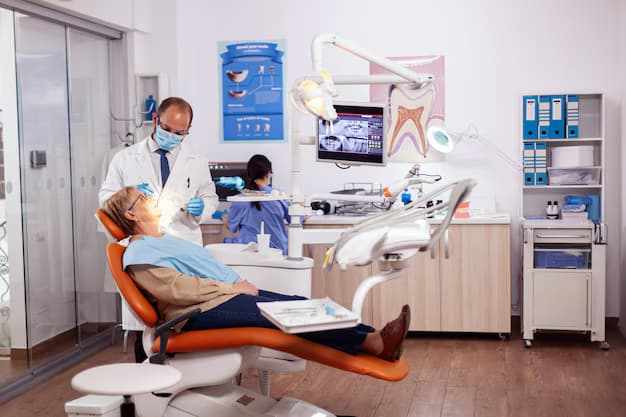
The process begins with a thorough examination, which may include imaging to assess the extent of infection.
Based on findings, root canal treatments may be recommended as the most effective solution.
Local Anesthesia and Comfort
Before starting, local anesthesia is administered to numb the area. This ensures patient comfort throughout the procedure.
Most patients feel little to no discomfort during treatment.
Removal of Infected Pulp
A small opening is made in the tooth to access the pulp chamber. Infected or damaged pulp is carefully removed.
The inside of the tooth is then cleaned and shaped.
Cleaning and Disinfection
Special instruments and solutions are used to clean the root canals thoroughly. This step eliminates bacteria and debris.
Proper disinfection is essential for long term success.
Filling and Sealing the Tooth
Once cleaned, the canals are filled with a biocompatible material to seal them.
The opening in the tooth is closed with a temporary or permanent filling.
Restoration After Root Canal Treatments
After root canal treatments, restoring the tooth is an important step.
Importance of Final Restoration
A tooth that has undergone root canal treatment may become more brittle over time. A final restoration helps protect it.
This restoration restores strength and function.
Crowns and Long Term Protection
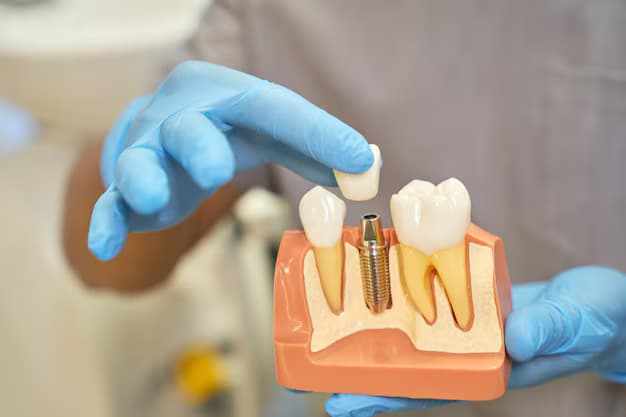
In many cases, a crown is recommended to cover the treated tooth. This provides additional durability.
Crowns help the tooth withstand normal chewing forces.
Timing of Restoration
Placing the final restoration promptly helps prevent reinfection or fracture.
Timely follow up supports long term success.
Recovery After Root Canal Treatments
Recovery from root canal treatments is usually straightforward.
What to Expect After Treatment
Mild sensitivity or tenderness is common for a few days following the procedure.
This discomfort typically decreases as the surrounding tissues heal.
Managing Post Treatment Discomfort
Over the counter pain relief and following care instructions help manage temporary soreness.
Avoid chewing on the treated tooth until restoration is complete.
Returning to Normal Activities
Most patients can resume normal activities the same day or the following day.
Recovery does not usually require extended downtime.
Benefits of Root Canal Treatments
Root canal treatments offer several important benefits for oral health.
Pain Relief
By removing infected tissue, root canal treatments eliminate the source of pain.
This leads to improved comfort and quality of life.
Preservation of Natural Teeth
Saving a natural tooth helps maintain proper bite alignment and chewing efficiency.
Natural teeth are always preferable to replacement options when possible.
Prevention of Infection Spread
Treating the infection prevents it from spreading to surrounding teeth and bone.
This protects overall oral health.
Cost Effectiveness Over Time
Preserving a natural tooth can be more cost effective than extraction and replacement.
Root canal treatments help avoid more complex procedures.
Root Canal Treatments Versus Tooth Extraction
Understanding alternatives highlights the value of root canal treatments.
Functional Advantages
Natural teeth provide better chewing function than artificial replacements.
Root canal treatments maintain this natural function.
Aesthetic Considerations
Keeping a natural tooth supports a consistent and natural smile appearance.
This can positively impact confidence.
Oral Health Stability
Extraction can lead to shifting teeth and bone loss. Root canal treatments help maintain stability.
Long term oral health benefits from tooth preservation.
Who Is a Good Candidate for Root Canal Treatments
Most individuals with infected or damaged pulp can benefit from root canal treatments.
Adults and Children
Root canal treatments are suitable for both adults and children with mature permanent teeth.
Early intervention supports better outcomes.
Patients with Dental Anxiety
Modern techniques make root canal treatments comfortable and predictable.
Education and understanding help reduce anxiety.
Teeth with Adequate Structure
Teeth that still have sufficient structure can often be successfully treated and restored.
A proper evaluation determines suitability.
Long Term Care After Root Canal Treatments
Maintaining treated teeth requires consistent care.
Daily Oral Hygiene
Brushing and flossing regularly help protect the restored tooth and surrounding areas.
Good hygiene prevents future decay.
Regular Dental Checkups
Routine visits allow monitoring of the treated tooth and restoration.
Early detection of issues supports longevity.
Avoiding Harmful Habits
Avoiding habits such as chewing hard objects reduces stress on restored teeth.
Protective habits extend the life of treatment.
Conclusion
Root canal treatments are a reliable and effective way to relieve pain, eliminate infection, and preserve natural teeth. By addressing common myths and understanding the procedure and recovery process, patients can approach treatment with confidence rather than fear. Modern root canal treatments are focused on comfort, precision, and long term oral health, making them a valuable option for saving damaged teeth.
For patients seeking compassionate care and advanced treatment solutions, Clove Dental Riverpark is committed to providing high quality root canal treatments that support comfort, confidence, and lasting oral health.













Write a comment ...