
Missing teeth can affect more than just appearance. They can change the way a person eats, speaks, and feels about their smile. Over time, gaps left by missing teeth may also lead to shifting of nearby teeth, bite problems, and jaw discomfort. One of the most reliable and widely used solutions for replacing missing teeth is tooth bridges. Designed to restore both function and aesthetics, tooth bridges help individuals regain confidence and maintain long term oral health.
This article explores what tooth bridges are, how they work, the benefits they offer, and why they continue to be a trusted restorative dental option.
Understanding Tooth Bridges
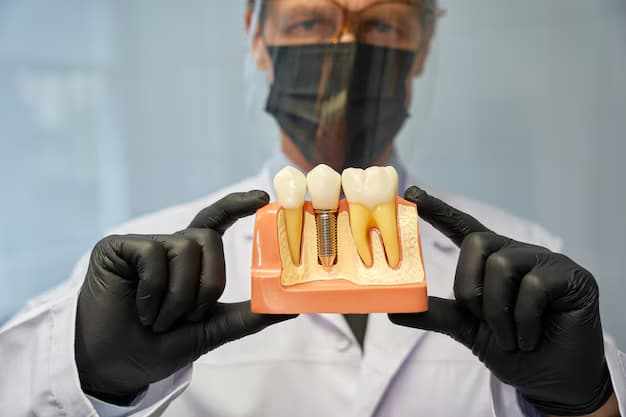
Tooth bridges are dental restorations used to replace one or more missing teeth by bridging the gap between existing teeth. They rely on neighboring teeth or dental support structures to hold the replacement tooth securely in place.
What Are Tooth Bridges Made Of
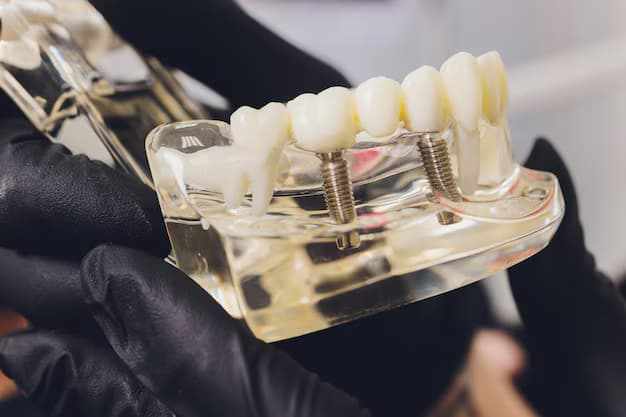
Tooth bridges typically consist of artificial teeth that fill the empty space left by missing teeth. These artificial teeth are supported by adjacent natural teeth or other dental structures. The materials used are designed to look natural and withstand normal biting and chewing forces.
How Tooth Bridges Restore Function
By filling the gap created by missing teeth, tooth bridges restore proper chewing ability and help distribute bite pressure evenly. This prevents excess stress on remaining teeth and supports healthy jaw function.
Why Replacing Missing Teeth Matters
Many people delay replacing missing teeth, especially if the gap is not easily visible. However, leaving missing teeth untreated can have lasting consequences.
Preventing Tooth Movement
When a tooth is lost, nearby teeth may begin to shift toward the empty space. This movement can lead to misalignment, uneven bite patterns, and difficulty cleaning between teeth. Tooth bridges help maintain proper tooth positioning.
Supporting Facial Structure
Teeth play an important role in supporting facial muscles. Missing teeth can cause changes in facial shape over time, leading to a sunken appearance. Tooth bridges help preserve natural facial contours.
Improving Speech and Comfort
Gaps in the teeth can affect speech clarity, making certain sounds harder to pronounce. Tooth bridges restore natural speech patterns and improve overall comfort when talking and eating.
Types of Tooth Bridges
There are several types of tooth bridges, each designed to address specific dental needs. A dental professional determines the most suitable option based on oral health and the location of missing teeth.
Traditional Tooth Bridges
Traditional tooth bridges are the most common type. They use neighboring teeth as anchors to support the artificial tooth. These supporting teeth are prepared to hold the bridge securely in place.
Cantilever Tooth Bridges
Cantilever tooth bridges are used when there is only one adjacent tooth available for support. This option is typically recommended in areas of the mouth that experience less chewing pressure.
Maryland Tooth Bridges
Maryland tooth bridges use a conservative approach by attaching the artificial tooth to the backs of neighboring teeth. This option preserves more natural tooth structure and is often used for front teeth.
Implant Supported Tooth Bridges
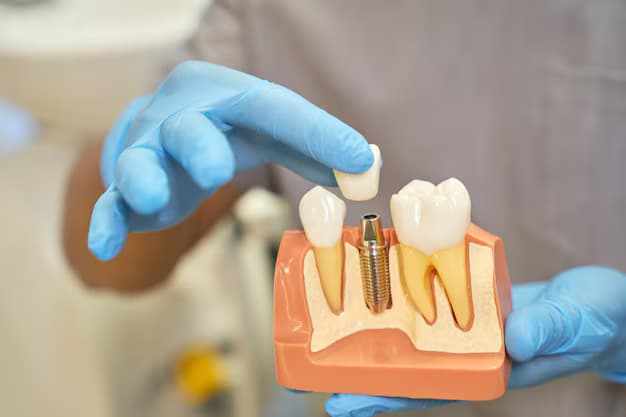
In some cases, tooth bridges are supported by dental implants instead of natural teeth. This provides added stability and helps preserve jawbone health while replacing multiple missing teeth.
The Tooth Bridge Treatment Process
Understanding the process helps patients feel more confident and prepared for treatment. Tooth bridges are typically completed in a series of steps.
Initial Dental Evaluation
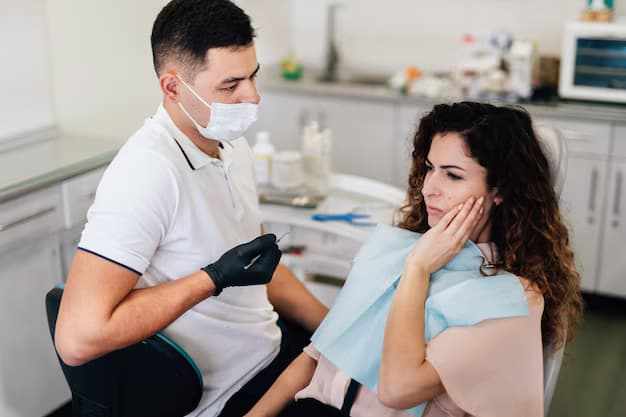
The process begins with a comprehensive dental examination. The dentist assesses oral health, evaluates the condition of surrounding teeth, and determines if tooth bridges are the right solution.
Tooth Preparation and Impressions
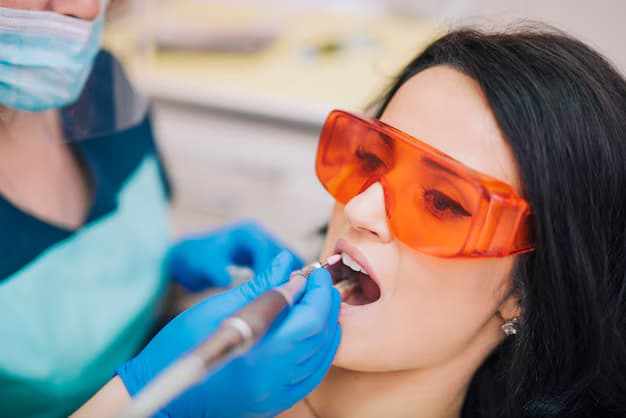
If traditional tooth bridges are chosen, the supporting teeth are carefully prepared. Impressions are then taken to ensure the bridge fits comfortably and looks natural.
Temporary Restoration
While the custom bridge is being created, a temporary restoration may be placed to protect the prepared teeth and maintain appearance.
Final Placement
Once the permanent tooth bridge is ready, it is fitted and adjusted for comfort and proper bite alignment. The dentist ensures the bridge feels natural and functions effectively.
Benefits of Tooth Bridges
Tooth bridges offer several advantages that make them a popular choice for tooth replacement.
Restored Smile Appearance
One of the most noticeable benefits is improved aesthetics. Tooth bridges are designed to blend seamlessly with natural teeth, restoring a complete and confident smile.
Enhanced Chewing Efficiency
Replacing missing teeth improves the ability to chew food properly. This supports better digestion and overall nutrition.
Long Term Oral Stability
By maintaining proper tooth alignment and bite balance, tooth bridges help prevent further dental complications. They support long term oral stability and comfort.
Boosted Confidence and Quality of Life
A complete smile often leads to increased self confidence. Individuals with tooth bridges may feel more comfortable smiling, speaking, and engaging socially.
Caring for Tooth Bridges
Proper care is essential to ensure the longevity and performance of tooth bridges. With good habits, they can last many years.
Daily Oral Hygiene
Brushing twice a day and cleaning around the bridge area helps prevent plaque buildup. Special cleaning tools may be recommended to reach areas beneath the bridge.
Regular Dental Visits
Routine dental checkups allow the dentist to monitor the condition of tooth bridges and supporting teeth. Professional cleanings help maintain gum health and overall oral hygiene.
Healthy Lifestyle Choices
Avoiding excessive sugar intake, maintaining a balanced diet, and refraining from habits like teeth grinding can help protect tooth bridges and natural teeth.
Who Is a Good Candidate for Tooth Bridges
Tooth bridges are suitable for many individuals, but proper evaluation is necessary.
Healthy Supporting Teeth
The teeth or structures supporting the bridge must be strong and healthy. This ensures stability and long term success.
Good Gum Health
Healthy gums provide essential support for tooth bridges. Treating gum issues beforehand improves outcomes.
Commitment to Oral Care
Candidates should be willing to maintain consistent oral hygiene and attend regular dental visits to protect their restoration.
Tooth Bridges Compared to Other Options
There are several tooth replacement options available, and understanding the differences helps in making an informed decision.
Tooth Bridges Versus Removable Dentures
Unlike removable dentures, tooth bridges are fixed in place. This provides greater comfort, stability, and a more natural feel during daily activities.
Tooth Bridges Versus Dental Implants
Dental implants replace tooth roots and help preserve jawbone health. Tooth bridges offer a less invasive alternative and may be suitable when implants are not an option.
The Emotional Impact of Restoring Missing Teeth
Beyond physical benefits, tooth bridges play a significant role in emotional wellbeing.
Renewed Self Esteem
Restoring a complete smile often leads to improved self image. People feel more confident in both personal and professional settings.
Reduced Anxiety About Appearance
With tooth bridges, concerns about visible gaps are eliminated. This reduces self consciousness and encourages natural smiling.
Conclusion
Tooth bridges remain a trusted and effective solution for replacing missing teeth. They restore function, improve appearance, and protect long term oral health. By filling gaps and supporting surrounding teeth, tooth bridges help individuals eat, speak, and smile with confidence once again.
For those seeking reliable tooth replacement options and comprehensive restorative care, Clove Dental Riverpark is dedicated to supporting healthy smiles through professional expertise and patient focused treatment.


Write a comment ...