
Tooth pain can significantly affect daily life, making it difficult to eat, speak, or concentrate. When discomfort becomes persistent or severe, it often signals an underlying dental problem that requires timely attention. One of the most common and effective procedures for saving a damaged or infected tooth is root canal therapy. Root Canal Treatments riverpark are designed to relieve pain, eliminate infection, and preserve natural teeth using modern techniques that prioritize comfort and effectiveness. This article provides a comprehensive overview of root canal treatments, explaining their purpose, benefits, procedure, recovery, and long term care.
Understanding Root Canal Treatments
What Is a Root Canal Treatment
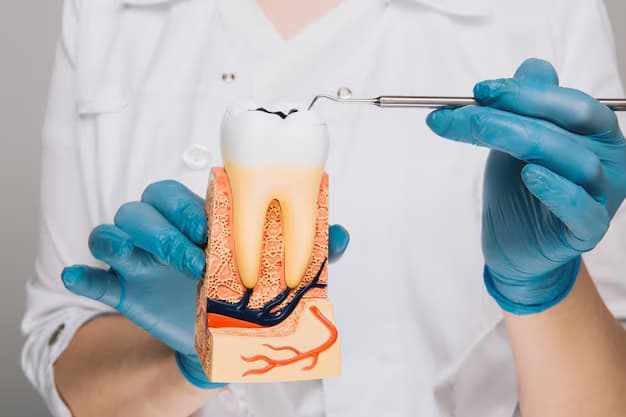
A root canal treatment is a dental procedure used to remove infected or damaged tissue from inside a tooth. The inner portion of the tooth contains soft tissue known as pulp, which includes nerves and blood vessels. When this pulp becomes infected due to deep decay, cracks, or trauma, it can cause pain and swelling. Root canal therapy cleans and seals the inside of the tooth to prevent further infection.
Why Root Canal Treatment Is Necessary
Root canal treatment becomes necessary when bacteria enter the pulp chamber. This can happen due to untreated cavities, repeated dental procedures on the same tooth, or physical injury. Without treatment, the infection can spread to surrounding tissues and may lead to tooth loss or more serious oral health complications.
Common Signs That Indicate the Need for Root Canal Treatment
Persistent Tooth Pain
Ongoing tooth pain that does not subside is one of the most common signs of pulp infection. The pain may worsen when chewing or applying pressure.
Sensitivity to Hot and Cold
Lingering sensitivity to hot or cold foods and beverages can indicate nerve damage inside the tooth. When the discomfort lasts long after the temperature stimulus is removed, it may be a sign that root canal therapy is needed.
Swollen or Tender Gums
Swelling, tenderness, or the presence of a small bump on the gums near a tooth can signal an underlying infection. This bump may release pus and is a clear indication that professional treatment is required.
Tooth Discoloration
A tooth that appears darker than surrounding teeth may indicate damage to the internal pulp. Root canal treatment can address the infection and help restore the tooth.
The Benefits of Root Canal Treatments
Pain Relief and Comfort
One of the primary benefits of root canal therapy is relief from pain caused by infection. Modern techniques and local anesthesia make the procedure comfortable and manageable for most patients.
Preservation of Natural Teeth
Root canal treatment allows individuals to keep their natural teeth rather than resorting to extraction. Preserving the natural tooth helps maintain proper chewing function and alignment.
Prevention of Further Infection
By removing infected tissue and sealing the tooth, root canal therapy prevents bacteria from spreading to other teeth or surrounding bone.
Improved Oral Health
Treating the source of infection supports overall oral health and reduces the risk of future dental complications.
The Root Canal Treatment Process
Initial Examination and Diagnosis
The process begins with a thorough dental examination. X rays are often used to assess the extent of infection and determine whether root canal therapy is the most appropriate solution. The dental professional explains the procedure and addresses any concerns.
Local Anesthesia and Tooth Isolation
Before treatment begins, local anesthesia is administered to numb the affected area. This ensures comfort throughout the procedure. The tooth is then isolated to keep it clean and dry.
Removal of Infected Pulp
An opening is created in the tooth to access the pulp chamber. Infected or damaged pulp tissue is carefully removed using specialized instruments. The canals inside the tooth are cleaned and shaped to prepare for filling.
Cleaning and Disinfection
After the pulp is removed, the inside of the tooth is thoroughly cleaned and disinfected. This step eliminates remaining bacteria and reduces the risk of reinfection.
Filling and Sealing the Tooth
The cleaned canals are filled with a biocompatible material that seals the space and provides structural support. The opening in the tooth is then sealed with a temporary or permanent filling.
Final Restoration
In many cases, a crown is placed on the treated tooth to restore strength and function. This final step protects the tooth and allows it to function like a natural tooth.
Is Root Canal Treatment Painful
Advances in Dental Techniques
Root canal treatments have a reputation for being painful, but modern dentistry has changed that perception. With advanced tools and effective anesthesia, most patients report that the procedure feels similar to getting a routine filling.
Post Treatment Discomfort
Some mild soreness or sensitivity may occur after the procedure, especially when biting or chewing. This discomfort is usually temporary and can be managed with prescribed or over the counter pain relief.
Who Is a Candidate for Root Canal Treatment
Individuals With Infected Pulp
Anyone with an infected or inflamed tooth pulp may be a candidate for root canal therapy. Early diagnosis improves the chances of saving the tooth.
Patients Seeking Tooth Preservation
Root canal treatment is ideal for individuals who want to avoid tooth extraction and maintain their natural smile.
Overall Oral Health Considerations
Candidates should have sufficient tooth structure and healthy surrounding tissues to support the treated tooth after restoration.
Recovery and Aftercare Following Root Canal Treatment
Immediate Aftercare
After the procedure, patients are advised to avoid chewing on the treated tooth until it is fully restored. This helps prevent damage or discomfort.
Maintaining Oral Hygiene
Good oral hygiene is essential for healing and long term success. Brushing twice a day, flossing regularly, and using recommended oral care products support recovery.
Follow Up Visits
Follow up appointments allow the dental professional to monitor healing and place the final restoration if needed. These visits ensure the treated tooth remains healthy and functional.
Myths and Misconceptions About Root Canal Treatments
Root Canal Treatment Causes Pain
This is one of the most common myths. In reality, root canal therapy relieves pain rather than causes it by removing the source of infection.
Extraction Is Better Than Root Canal Treatment
Saving the natural tooth is often the best option for oral health. Root canal treatment preserves the tooth and avoids the complications associated with missing teeth.
Root Canal Treated Teeth Do Not Last Long
With proper care and restoration, teeth that undergo root canal therapy can last for many years and function like natural teeth.
Comparing Root Canal Treatment With Tooth Extraction
Benefits of Tooth Preservation
Keeping the natural tooth helps maintain proper bite alignment and prevents shifting of surrounding teeth. Root canal therapy supports long term oral health.
Avoiding Additional Procedures
Tooth extraction often requires replacement options such as implants or bridges. Root canal treatment avoids the need for these additional procedures.
Cost and Convenience
Root canal treatment is often more cost effective in the long term compared to extraction and replacement. It also preserves natural aesthetics and function.
The Importance of Timely Root Canal Treatments in RiverPark
Preventing Complications
Delaying treatment can allow infection to worsen and spread. Timely Root Canal Treatments riverpark help prevent serious complications and protect oral health.
Focus on Gentle Care
Modern dental practices emphasize patient comfort and gentle care. This approach reduces anxiety and improves the overall treatment experience.
Long Term Oral Health Benefits
Root canal therapy not only addresses immediate pain but also contributes to lasting oral health by preserving natural teeth and preventing infection.
Conclusion
Root canal treatment is a gentle and effective solution for relieving tooth pain and saving damaged teeth. By removing infection and restoring function, this procedure plays a vital role in maintaining a healthy and confident smile. Understanding the process, benefits, and aftercare of Root Canal Treatments riverpark helps individuals make informed decisions about their dental health. For those seeking professional care and personalized treatment solutions, Clove Dental Riverpark offers comprehensive root canal services focused on comfort, precision, and long term results.














Write a comment ...